We restore failing mortar joints to protect your brickwork and prevent costly water damage.
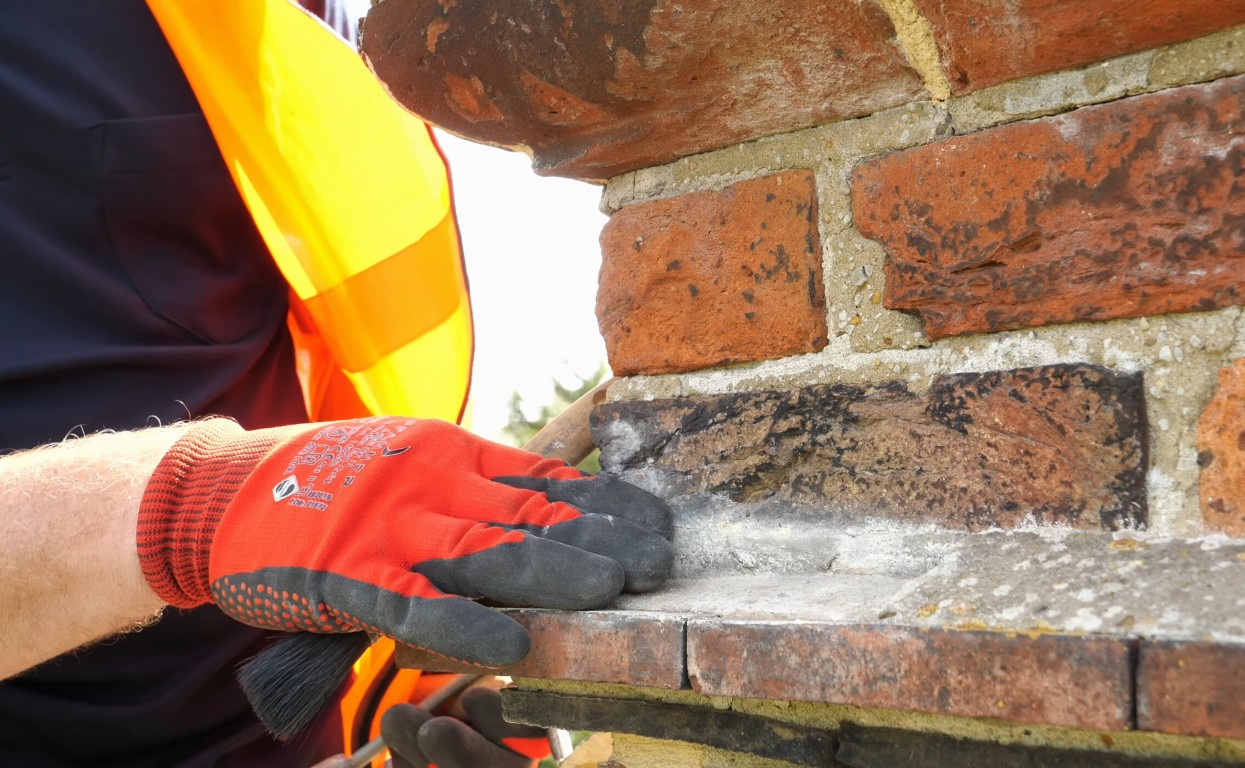
Let's clear up some confusion right away. Many people use the terms tuckpointing and repointing interchangeably, but they are actually different techniques with the same goal: restoring the mortar joints between your bricks.
Repointing is the process of removing damaged mortar from between bricks and filling those joints with new mortar. This is the standard repair technique used throughout Birmingham and across the country. When most homeowners need their brick mortar restored, repointing is what they need.
Tuckpointing is a specialized decorative technique where you fill joints with mortar that matches the brick color, then add a thin line of contrasting mortar (usually white or light colored) down the center of each joint. This creates the illusion of very fine, precise joints. It was popular in historic brick construction and is still used today for restoration projects on older buildings.
Mortar is designed to be the weakest part of your brick wall. That might sound strange, but it serves an important purpose. When stress affects your wall from temperature changes, settling, or moisture, the mortar absorbs that stress instead of the bricks. This means mortar deteriorates over time while the bricks remain sound.
In Birmingham, our climate accelerates mortar deterioration. Hot summers and cold winters cause expansion and contraction. Heavy rains saturate the mortar, and when that water freezes during cold snaps, it expands and breaks down the mortar structure. Over decades, this process leaves you with crumbling joints that need restoration.
Here are the warning signs that you need repointing or tuckpointing:
Ignoring these signs leads to bigger problems. Water that enters through damaged mortar joints can cause brick spalling, interior water damage, mold growth, and even structural issues. The good news is that repointing addresses these problems before they become expensive emergencies.
Proper repointing requires skill, patience, and attention to detail. We follow traditional masonry techniques that have proven themselves over centuries, combined with modern materials engineered for durability.
We start by carefully removing the damaged mortar from your joints. This is delicate work. Remove too little and the new mortar will not bond properly. Remove too much or use aggressive techniques, and you can damage the brick edges. We grind out mortar to a depth of about three-quarters of an inch, which provides enough space for the new mortar to bond securely.
For historic buildings or softer bricks, we may use hand tools instead of power grinders to prevent damage. This takes more time but preserves the integrity of irreplaceable historic materials.
Not all mortar is created equal. Modern Portland cement mortars are too hard for many older brick types, especially those found in historic Birmingham homes. When hard mortar is paired with soft brick, the brick absorbs all the stress and begins to deteriorate. This is why some DIY repointing jobs actually make problems worse.
We analyze your existing mortar and bricks to create a custom mix that matches the strength, color, and texture of the original. For historic properties, we often use lime-based mortars that provide the flexibility and breathability that older bricks need. We also color-match the mortar precisely so our work blends seamlessly with the existing joints.
After thoroughly cleaning the joints and dampening them to prevent the brick from sucking moisture out of the new mortar too quickly, we carefully pack fresh mortar into each joint. We use proper tools to ensure complete filling with no air pockets or gaps.
Once the mortar reaches the right consistency, we tool the joints to match your existing profile. Common profiles include concave (the most weather-resistant), flush, weathered, or beaded. The profile affects both appearance and water resistance, so we match your original design unless you request something different.
Fresh mortar needs time and the right conditions to cure properly. We protect new mortar from direct sun, wind, and rain during the curing process. In hot weather, we may mist the work to prevent the mortar from drying too quickly, which can cause cracking. This attention to curing ensures that your repointing lasts for decades.
Professional repointing does more than improve your home's appearance. It provides critical protection that extends the life of your entire brick structure by decades.
The most important benefit is waterproofing. Intact mortar joints create a barrier that keeps water out of your wall assembly. When joints fail, water penetrates freely, leading to interior damage, insulation problems, and the need for extensive brick repair and restoration down the line. Repointing now prevents those expensive repairs later.
Structural stability improves as well. While mortar joints are not the primary structural element in a brick wall, they do lock the bricks together and distribute loads evenly. Failed joints allow individual bricks to shift or loosen, which can eventually compromise wall integrity. Fresh mortar restores that structural cohesion.
Energy efficiency gets a boost too. Gaps in mortar joints create air leaks that waste heating and cooling energy. Proper repointing seals these gaps, reducing drafts and improving your home's thermal performance. Many Birmingham homeowners notice lower utility bills after having their exterior walls repointed.
Curb appeal and property value increase significantly. Fresh, well-maintained mortar joints make your home look cared for and well-maintained. If you plan to sell, repointing is one of the most cost-effective improvements you can make. Real estate professionals in Birmingham often recommend repointing before listing because it signals to buyers that the home has been properly maintained.
Finally, preventive maintenance through repointing is far less expensive than dealing with advanced deterioration. Repointing typically costs a fraction of what you would pay for extensive brick replacement, structural repairs, or interior water damage remediation. It is the smart financial choice for any brick homeowner.
Do not let failing mortar joints damage your brickwork. Schedule a free assessment and get an honest estimate from Birmingham's trusted masonry experts.
Request Your Free Estimate